Programs Details
Programs List
Featured Programs
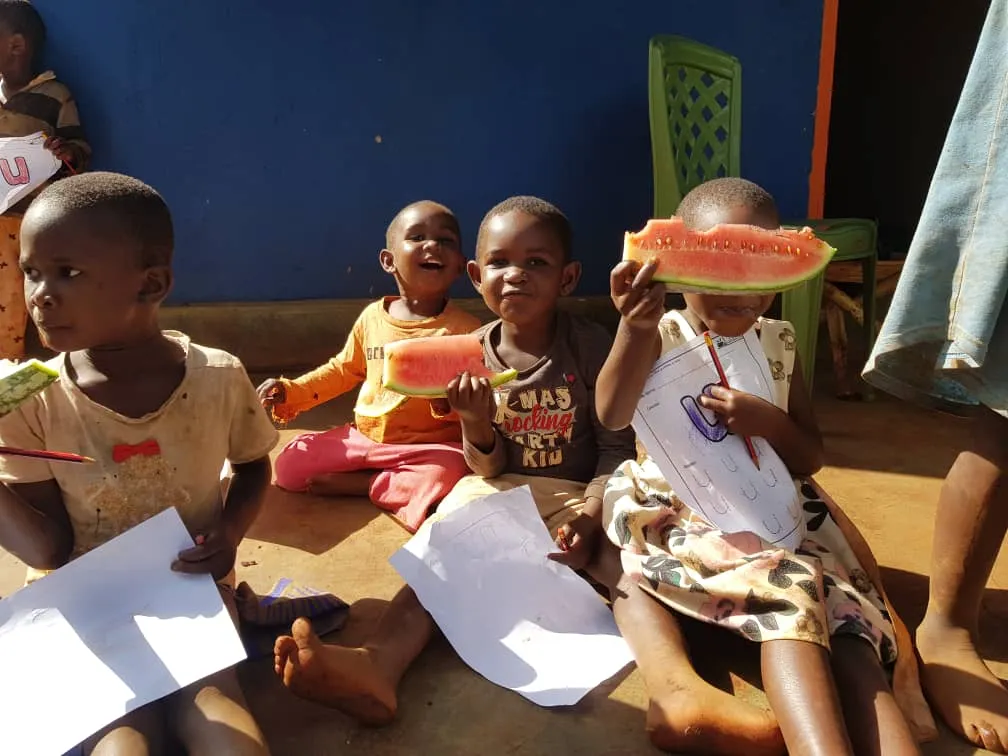
Orphan Care Program
This program supports children with no parents or reliable guardians. The goal is simple: give each child safety, stability, and a foundation for long-term growth. The work is practical and consistent. Every task focuses on daily needs, education, health, and emotional support.
Program Focus
- Basic needs
- Education
- Health
- Emotional support
Basic Needs
Children receive reliable meals, clean clothing, and a safe sleeping space. The team tracks food quality, hygiene, and daily routines. This prevents malnutrition and illness.
Education
All children attend school. We cover fees, uniforms, books, and follow-up tests. We monitor performance through term reports and teacher engagement. Extra lessons are provided when a child falls behind.
Health
Every child receives routine checkups at partner clinics. Records include immunizations, growth indicators, and common conditions. Fast treatment is given when a child reports pain or discomfort. This reduces complications and long recovery periods.
Emotional Support
Each child has a designated caregiver. The caregiver observes behavior, learning challenges, and social adjustment. Younger children receive closer supervision. Older children receive guidance on academics and peer interactions.
Current Status
We support 8 children. The first intake had 3 children. Growth came from local referrals and community assessments.
7 of the children are girls. Ages range from 3 to 13. Each child has an individual file with medical notes, education tracking, and development goals.
Daily Structure
- Morning: hygiene, breakfast, school attendance checks.
- Afternoon: homework review, supervised play, personal tasks.
- Evening: meals, reading, and sleep preparation.
- Weekends: clinic visits when needed, cleaning routines, and learning support.
Outcomes
School attendance is consistent. Grades have improved for most children. Health cases have dropped because of stable diet and regular monitoring.
Children have shown better emotional stability due to predictable routines and caregiver presence.
Program Approach
We treat the care environment as a structured household. There is order, clear guidance, and accountability. The program does not replace family, but it fills critical gaps and protects the child's future.
Donate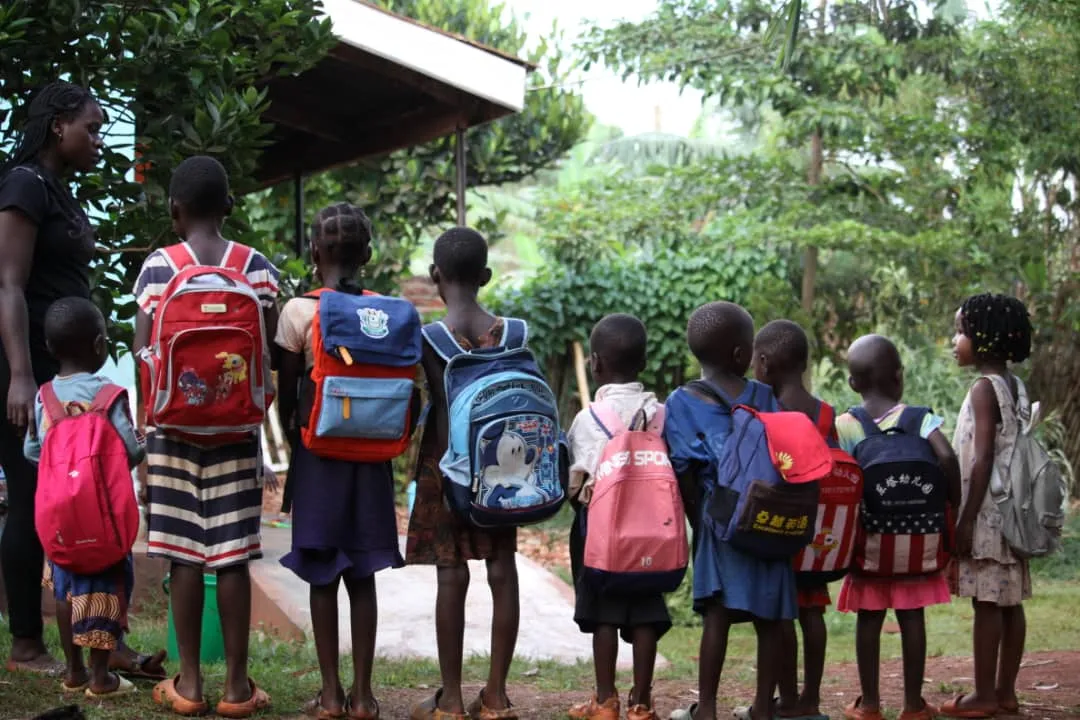
Hope for Education
This program supports children from low income and vulnerable homes. The target group includes children in the orphanage and children in the surrounding community. The goal is to keep each child in school with the materials they need.
Focus
- School fees
- Uniforms
- Books and stationery
- Basic study materials
- Close follow up on school performance
Current Status
There are 26 children enrolled. Eleven children stay at the orphanage. Fifteen children live in the community. Four have sponsors. Three of these live in the community. One lives at the orphanage.
Approach
Each child receives a school assessment. Staff speak with teachers and check attendance. Materials are supplied before each term. Extra support is given when a child struggles in class. The team maintains simple records so progress is clear.
Outcome
Children stay in school. Fees are paid on time. Performance improves when follow up is steady. Families report less stress because the burden of school costs is reduced.
Donate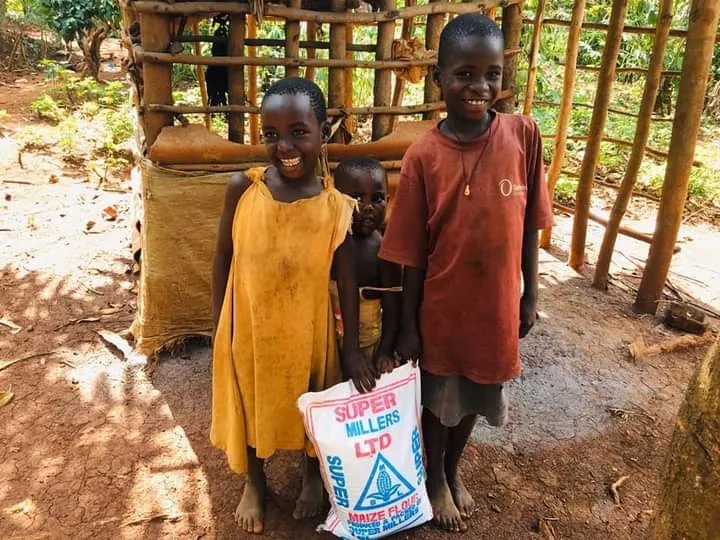
Support for Disabled & Elderly Families
This program assists households that care for older persons or persons with disabilities. The goal is to improve daily living conditions and reduce the strain on caregivers.
Focus
- Food
- Soap and basic hygiene items
- School support for children in the home
- Health referrals when needed
Current Status
The program supports two families and four elderly women.
One family cares for a ten year old child with cerebral damage.
One family consists of a husband and wife who are both disabled.
Four older women receive food and basic items based on available resources.
Approach
Staff visit homes to assess daily needs. Support items are delivered based on priority. School materials are given to children in affected homes. Health referrals are provided when a case requires clinical attention.
Outcome
Households report less hardship. Elderly women receive routine support. Children remain in school because basic costs are covered. Caregivers manage responsibilities with less pressure.
Donate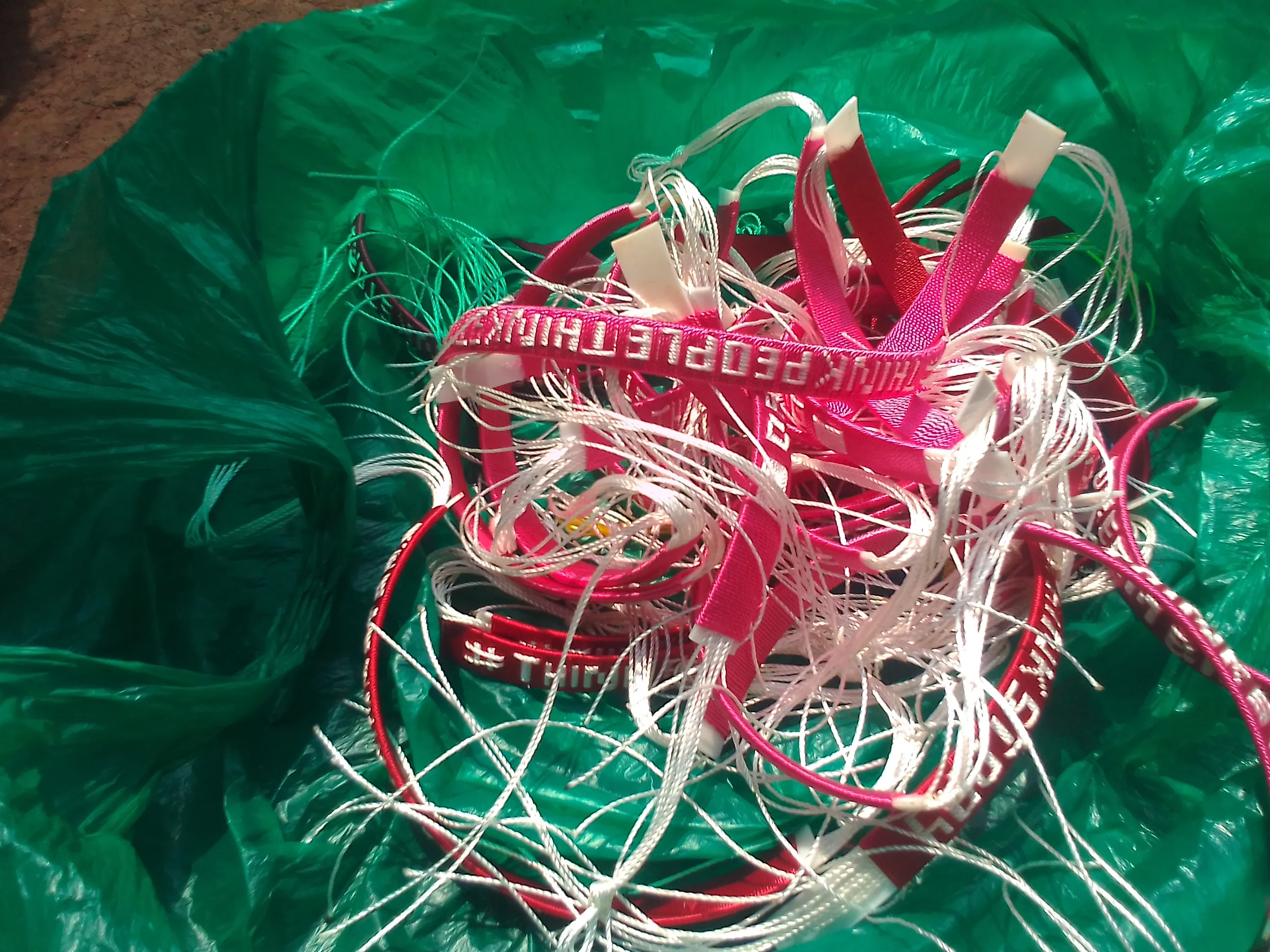
Crafts Skilling
This program provides vocational skills to single mothers and youth. Training focuses on craft making, pottery, and tailoring. The goal is to help participants earn a stable income.
Focus
- Skills training
- Access to tools and materials
- Tailoring practice
- Basic business preparation
Current Status
The program supports four participants.
Three are young women in tailoring.
One is a young man trained in tailoring.
Approach
Participants receive direct instruction and supervised practice. Tools are provided during the training period. Staff check progress weekly. Graduates are guided on how to start small income activities.
Outcome
Participants gain marketable skills. Some start home-based income work. Others prepare for apprenticeships. Financial independence improves their daily living.
Donate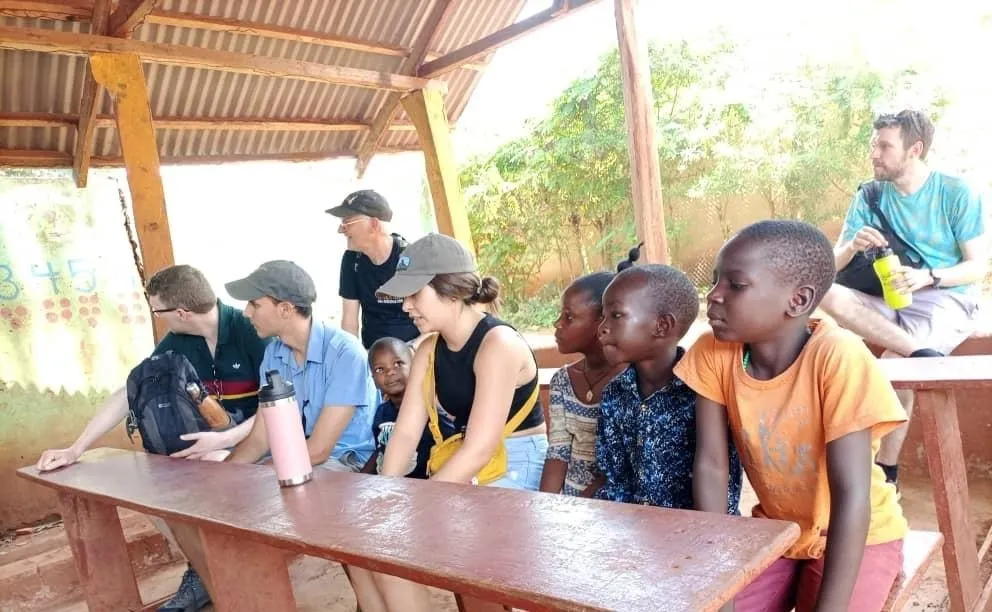
Volunteering at Luke Foundation
This program invites enthusiastic people with time and skills who want to join our daily activities and support us. Volunteers help with learning sessions, cleaning routines, and general care tasks, sharing skills and care with the children and the community.
Focus
- Practical support for children
- Skills sharing
- Cross cultural interaction
- Host fee that supports food and operations
Approach
Volunteers join scheduled activities based on their abilities. The host fee supports meals and program costs. Staff give simple orientation sessions to guide volunteers during their stay.
Outcome
Volunteer work strengthens daily operations. Children gain new learning experiences. Volunteers understand local realities through direct engagement.
Donate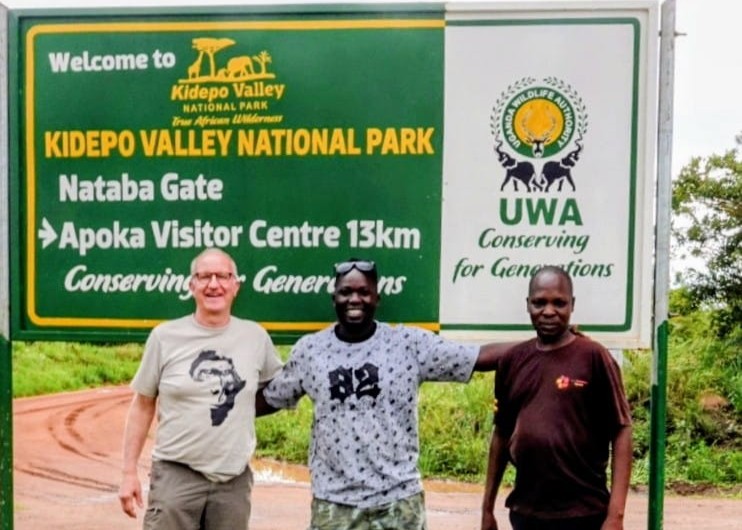
Touring Support Program
This program connects visitors to trusted tour partners. The goal is to raise support for the foundation while giving the visitor a clear and affordable booking process.
Focus
- Discounted tour bookings
- Direct support to the foundation
- Verified partners
- Clear pricing
- Simple coordination for visitors
Approach
Visitors choose tour activities through the foundation. Bookings are processed with partner companies. Each partner gives a discount to the visitor. A percentage of the booking fee is donated to the foundation. The visitor receives full details from the partner and confirms the final schedule with them. The foundation focuses on coordination, not direct tour operation.
Outcome
Visitors receive affordable tour services. Partners gain steady clients. The foundation receives financial support without running a tour business. The process strengthens relationships between visitors and the community.
Donate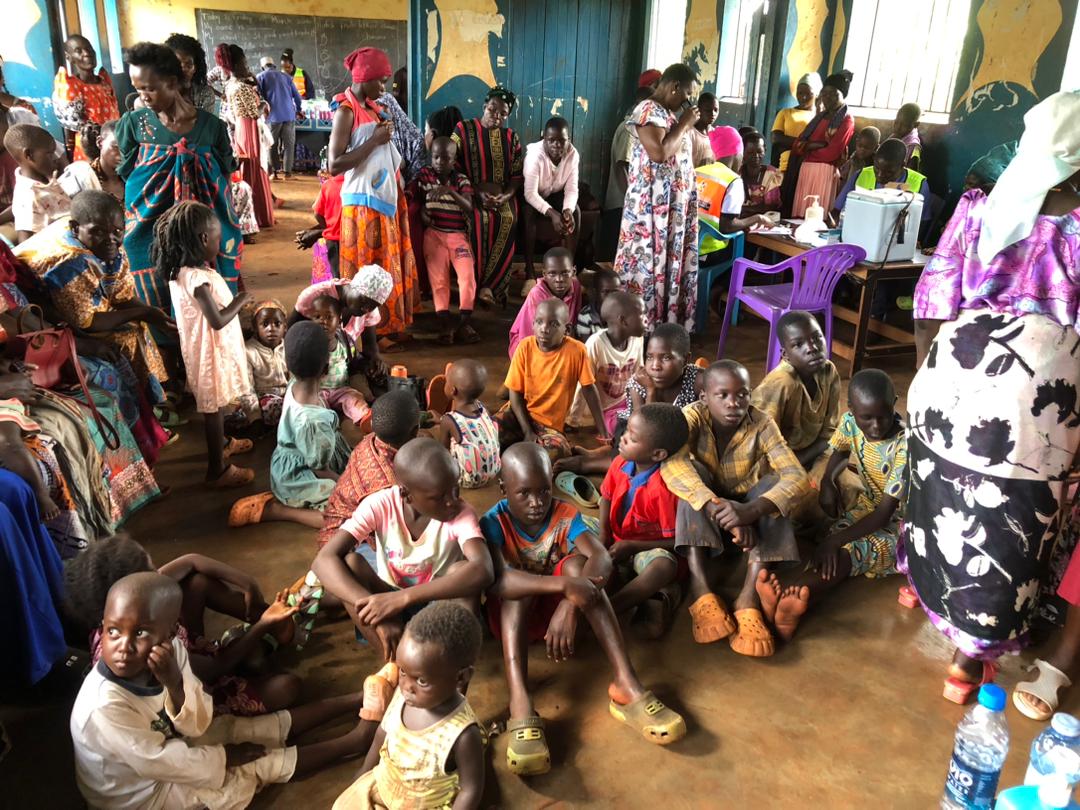
Malaria Camp
This program provides free malaria testing and treatment to community members. The goal is to reduce severe cases and support households that struggle to access clinical care.
Focus
- Free malaria testing
- Free treatment for positive cases
- Health education on prevention
- Follow up for high risk patients
- Prioritization of areas with high infection history
Approach
The team announces the camp date in advance. Community members arrive at the site for registration. Health workers test each person and record results. Positive cases receive treatment at no cost. High risk patients receive close monitoring. Camps are held when funds and supplies are available.
Outcome
More people receive early testing. Severe cases drop because treatment starts quickly. Households reduce medical expenses. High risk areas become safer when regular camps are carried out.
Donate
Clean & Green
This program builds environmental responsibility among children and the wider community. Activities focus on solving small but important environmental issues.
Focus
- Plastic waste collection
- Waste sorting
- Tree planting
- Environmental education for children
Approach
Community cleanups are organized with children and local residents. Collected plastic is sold for recycling. Trees are planted in targeted areas. Children receive simple lessons on conservation and personal responsibility.
Outcome
The community becomes cleaner. Children learn consistent habits. Tree planting improves local air quality. Recycling creates small income opportunities.
Donate
Sports Empowerment
This program supports children and youth who want to develop soccer skills. The goal is to build discipline and teamwork through sport.
Focus
- Talent identification
- Linking youth to local teams
- Jerseys, balls, and basic equipment
- Training sessions with local coaches
Approach
Youth attend regular practice. Coaches track skill development and discipline. Materials are supplied to ensure equal participation. Partnerships with local teams give youth wider exposure.
Outcome
Participants improve physical fitness and teamwork. More youth join local teams. Community relationships strengthen through shared sports activities. Children stay active and engaged.
Donate